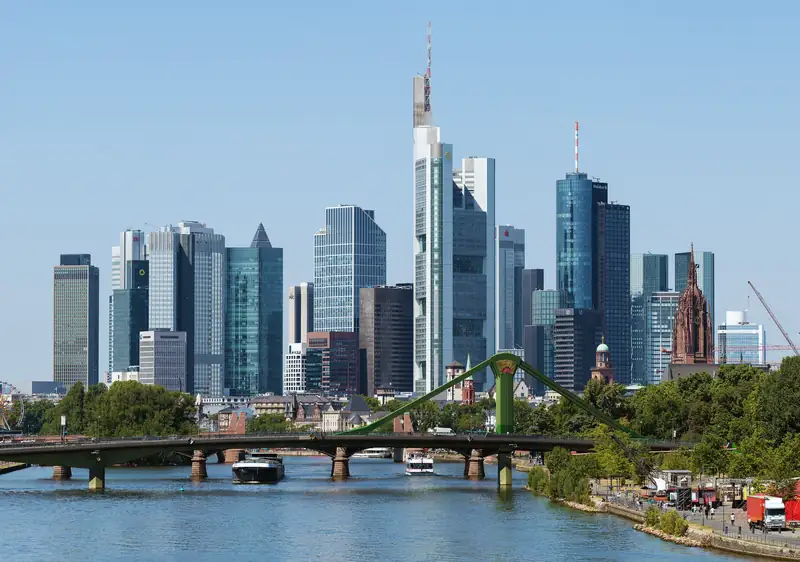
 Entrepreneur residence in Germany
Overview
The self-employment permit under Section 21(1) of the Residence Act (AufenthG) is granted where there is an economic interest or regional need for the business, the activity is expected to have a positive effect on the economy, and its financing is secured through equity or a loan commitment. The immigration authority, which consults local chambers and economic bodies, weighs the viability of the business idea, the applicant's entrepreneurial experience, the capital invested, the effect on employment and training, and the contribution to innovation and research. Germany abolished fixed capital and job thresholds years ago, so there is no published minimum: a well-capitalised, credible plan matters more than a headline figure. Applicants over 45 should normally show adequate provision for old age. Separate, relaxed rules apply to freelance professionals under Section 21(5).
Germany expects the holder to live in the country and run the business there. A residence title generally lapses if its holder leaves for more than six months without approval, and the authorities will look at whether the business is actually operating before extending it. Tax follows residence: a person with a home (Wohnsitz) or habitual abode — normally more than six months' stay — in Germany has unlimited tax liability on worldwide income at progressive rates, with a flat withholding tax on most capital income. Germany has no non-domiciled, remittance-basis or lump-sum regime, and gift and inheritance tax applies to worldwide assets where the donor or heir is resident. Departing residents with substantial shareholdings can face exit taxation, so the structure of an operating company should be designed with both entry and any future exit in mind.
The spouse or registered partner and minor unmarried children can join the entrepreneur through family reunification, provided that living space and the family's livelihood are secured. Spouses are generally expected to show basic German, although several exemptions apply. Parents and adult children have only limited and exceptional routes, and each case needs separate assessment.
If the business has been successfully established after three years, is expected to continue developing and secures the livelihood of the holder and dependants, a settlement permit (Niederlassungserlaubnis) can be granted under Section 21(4) — earlier than the general five-year track. Naturalisation has required five years of lawful residence since the June 2024 reform; the three-year fast track for exceptional integration was repealed with effect from 29 October 2025. Applicants need B1 German, must pass the naturalisation test, support themselves without social benefits and commit to the free democratic basic order. Germany now accepts multiple citizenship, so investors can keep their existing nationality.
Key benefits
- No fixed investment threshold: the permit is matched to a real operating business
- Possible settlement permit after only three years if the business succeeds
- Naturalisation after five years, with dual citizenship accepted since June 2024
- Spouse and minor children can join through family reunification
- Access to the largest economy in the EU and short-stay Schengen travel
- Freedom to manage and grow the company in Germany
- Freelance professionals benefit from relaxed conditions under Section 21(5)
Requirements
- Non-EU/EEA/Swiss nationality
- A business project with an economic interest or regional need in Germany
- Expected positive effect on the economy, for example through jobs, training, innovation or research
- Financing secured by own capital or a binding loan commitment
- Credible business plan and relevant entrepreneurial or professional experience
- Adequate old-age provision for applicants over 45
- Health insurance and secured livelihood for the applicant and family
- Valid passport, clean criminal record and lawful source of funds
- Any professional licences required for the activity
Investment options
Self-employment permit, Section 21(1) (residence for business investors)
No statutory minimum
The primary route: residence for founders and investors who run a business in Germany, granted for up to three years and assessed on economic interest, impact and secured financing.
Freelance permit, Section 21(5) (residence for self-employment)
Sufficient funds for the activity
Residence for liberal professions such as consultants, architects or artists, with relaxed conditions where any required professional licence is granted or promised.
Settlement permit, Section 21(4) (permanent residence)
After three years of successful self-employment
Permanent residence once the business is established, expected to keep developing and supports the holder and dependants.
Naturalisation (naturalisation, not CBI)
No investment
German citizenship after five years of residence with B1 German, the naturalisation test and financial self-sufficiency; dual citizenship permitted.
Step-by-step process
- 1
Feasibility and tax planning (2-6 weeks)
We assess the business case, choose the legal form and location, and plan the timing of German tax residence and any exit implications.
- 2
Business plan and financing
The applicant prepares a detailed plan, capital-requirement and revenue forecasts, and proof of equity or loan commitments.
- 3
National visa application (often several months)
The application is lodged at the German mission abroad; the immigration authority and local economic bodies review the plan, so waiting times vary by mission and city.
- 4
Entry and residence permit
After arrival the entrepreneur registers an address, sets up the company and obtains the residence permit, valid for up to three years.
- 5
Family reunification
Spouse and children apply for their visas, either together with the investor or once accommodation and livelihood are secured.
- 6
Settlement and citizenship
After three years a settlement permit may be granted if the business has succeeded; naturalisation becomes possible after five years of residence.
Typical documents
- Valid passport and biometric photographs
- Detailed business plan with financing and revenue forecasts
- Proof of equity capital or binding loan commitments
- CV and evidence of entrepreneurial or professional experience
- Company formation documents or letters of intent from partners
- Proof of adequate old-age provision for applicants over 45
- Health insurance covering the stay
- Source of funds and source of wealth evidence
- Marriage and birth certificates for family members, legalised or apostilled and translated
The Legal Wealth role

Legal Wealth works with investors to build a German residence case around a genuine business rather than a minimum figure. We review the commercial logic of the project, structure the company and its financing so that the plan reads clearly to the authorities, and prepare a transparent source-of-wealth file. Together with independent German lawyers and tax advisers, we plan tax residence, inheritance-tax exposure and any future exit so that the family's long-term succession goals are protected. Every engagement is handled discreetly and with compliance as the starting point.
Arrange a private conversationFrequently asked questions
What is Germany's position on investment-based residence?
Germany has no golden visa or investment-for-residence programme, and buying property or bonds does not create a right of residence. Investors normally qualify through the self-employment permit under Section 21 of the Residence Act by running a real business, granted where there is an economic interest or regional need, an expected positive effect on the economy and secured financing. As the business must be run from Germany, the route suits principals prepared to relocate and operate rather than hold passive assets.
What level of capital commitment does a Section 21 application call for?
There is no statutory minimum; Germany abolished fixed capital and job thresholds years ago. The authority, consulting local chambers and economic bodies, looks at whether financing is secured by own capital or a binding loan commitment and whether the business has economic interest and a positive impact on employment, training or innovation. A larger, well-documented investment strengthens the case, and applicants over 45 should normally also show adequate provision for old age.
When may a Section 21 holder obtain a settlement permit?
Under Section 21(4), a settlement permit (Niederlassungserlaubnis) can be granted after three years if the business has been successfully established, is expected to continue developing and secures the livelihood of the holder and family, earlier than the general five-year track. Since the authorities check whether the business is actually operating, and a residence title generally lapses after more than six months abroad without approval, continuity of residence and trading over those three years is central.
Is the three-year citizenship route still available?
No. The fast track for exceptional integration was repealed with effect from 29 October 2025. Naturalisation now requires five years of residence, B1 German and the other standard conditions.
How does Germany's acceptance of multiple citizenship bear on naturalisation planning?
Since 27 June 2024 Germany accepts multiple citizenship, so an existing nationality need not be renounced, subject to the home country's own rules. Naturalisation requires five years of lawful residence, B1 German, the naturalisation test, self-sufficiency without social benefits and commitment to the free democratic basic order. For internationally mobile families the weightier planning point is often tax: residence brings unlimited liability on worldwide income and exposure to inheritance and gift tax, best addressed before arrival.
Does Germany have a special tax regime for new residents?
No. German residents are taxed on worldwide income at ordinary rates, and inheritance and gift tax can apply to worldwide assets. Pre-arrival planning is therefore essential.
Last reviewed: 2026-10. Requirements, fees and timelines change. Information is general, reviewed on the date shown, and is not legal or tax advice.