 Residence by investment in the Cayman Islands
Overview
Cayman's investor routes are administered by WORC. The 25-year Residency Certificate for Persons of Independent Means is intended for those who do not wish to work locally. On Grand Cayman it requires a total local investment of CI$1 million, of which at least CI$500,000 must be in developed real estate, together with annual income of at least CI$120,000 without local employment, or a deposit of at least CI$400,000 in a Cayman institution. On Cayman Brac and Little Cayman, the figures are CI$500,000, CI$250,000 and CI$75,000 respectively. The certificate is renewable for further 25-year periods.
Those who intend to be active locally can choose the Certificate of Direct Investment, for an investment of at least CI$1 million in a Cayman business in which the holder may then work, or the Residency Certificate (Substantial Business Presence), for senior managers or owners of at least 10% of a business in an approved category, such as fund administration, investment management or insurance. Both certificates last 25 years, and holders of the latter can apply for permanent residence after eight years.
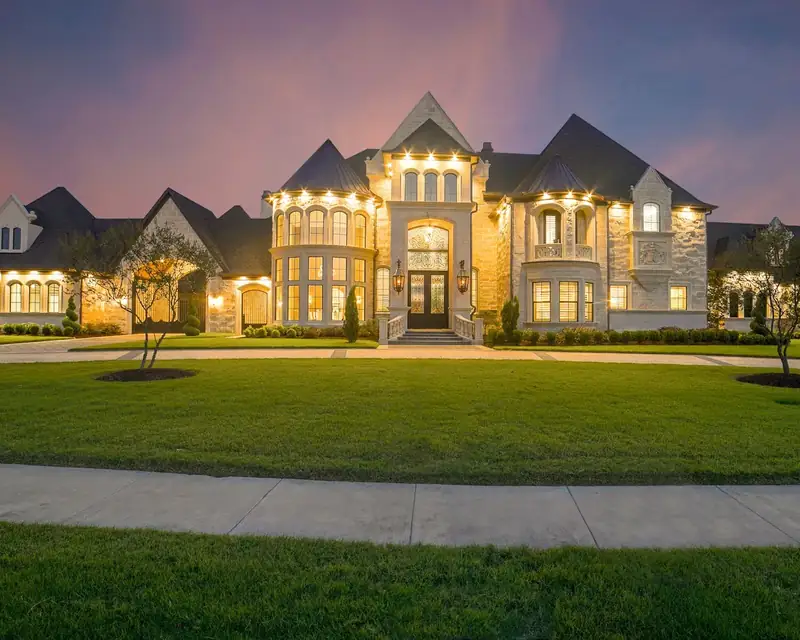
The Certificate of Permanent Residence for Persons of Independent Means requires a minimum equity investment of CI$2 million in a single qualifying developed real estate asset. It is granted initially for ten years; after nine years the holder may apply to make it indefinite. It allows the holder and spouse or civil partner to live and work in the Islands, requires at least one day of presence each year, and can open a longer-term route to Caymanian status and British Overseas Territories citizenship, subject to separate residence requirements.
On 1 May 2026, amendments to the Immigration (Transition) Act took effect and the statute was renamed the Caymanian Protection Act. The issue fee for the investor Certificate of Permanent Residence rose from CI$100,000 to CI$200,000, the Substantial Business Presence issue fee rose from CI$5,000 to CI$12,500, and holders of independent means, direct investment and business presence certificates must now file annual declarations, with failure to do so becoming an offence and a ground for revocation. The qualifying period for Caymanian status by naturalisation was extended by five years. The Government has said the financial thresholds for persons of independent means are under separate review, so further increases are possible.
Key benefits
- No income, capital gains, inheritance or wealth tax
- Choice between passive residence and routes that allow work in one's own business
- Long 25-year certificates that are renewable
- Permanent residence with work rights for the holder and spouse at the CI$2 million level
- Minimal presence requirement of one day a year for permanent residents
- Spouse or civil partner and dependent children may be included
- Established international financial centre with English common law foundations
Requirements
- Qualifying investment in developed real estate or a Cayman business at the relevant threshold
- For the 25-year independent means certificate, annual income of CI$120,000 (CI$75,000 on the Sister Islands) or a CI$400,000 local deposit
- No local employment under the independent means certificate
- Main applicant aged 18 or over, with no serious criminal convictions for the applicant or spouse
- Good health and adequate health insurance for the applicant and dependants
- Sufficient financial resources to support the applicant and dependants
- Annual declarations to WORC for investor and business certificates
- Source-of-wealth and source-of-funds documentation meeting Cayman AML standards
Investment options
25-year Residency Certificate (independent means)
CI$1,000,000
At least CI$500,000 in developed real estate on Grand Cayman, with the balance in property or a local trading company, plus qualifying income or deposit. Grant fee CI$50,000. Lower thresholds apply on the Sister Islands.
Certificate of Direct Investment
CI$1,000,000
Investment of at least CI$1 million in a Cayman business, allowing the holder to reside for 25 years and work in that business.
Residency Certificate (Substantial Business Presence)
10% ownership
For owners of at least 10% of, or senior managers in, an approved-category business with real local presence. Issue fee now CI$12,500; permanent residence may be sought after eight years.
Certificate of Permanent Residence (independent means)
CI$2,000,000
Equity investment in a single developed real estate asset. Issue fee CI$200,000 since 1 May 2026, plus annual dependant fees. Initial ten-year term, then indefinite.
Step-by-step process
- 1
Route and structure review
We compare passive and active routes, consider the 2026 reform and assess how the investment should be held.
- 2
Acquire the qualifying asset
Developed real estate is purchased through Cayman attorneys with full title checks, or the business investment is made and documented.
- 3
Prepare the application
Financial statements, police and medical certificates, insurance and civil documents are assembled for the applicant and dependants.
- 4
Submit to WORC
The application is filed with the relevant fee and reviewed by WORC or the appropriate board.
- 5
Grant and issue fees
On approval, the issue fee and dependant fees are paid and the certificate is issued.
- 6
Annual declarations and renewal
Annual declarations are filed, dependant fees paid, and renewals or the move to indefinite permanent residence are made on time.
Typical documents
- Valid passports for the applicant and dependants
- Police clearance certificates from countries of residence
- Medical reports and evidence of health insurance
- Birth and marriage or civil partnership certificates
- Title documents and valuation for the developed real estate
- Bank or audited statements evidencing income, deposits or net worth
- Business plan and corporate documents for business-based routes
- Source-of-wealth and source-of-funds evidence
- Completed WORC application forms and fee payments
The Legal Wealth role

Legal Wealth works with clients to choose between Cayman's independent means, direct investment and permanent residence routes in light of the May 2026 reform and the thresholds still under review. We coordinate independent Cayman attorneys on property and immigration matters, prepare source-of-wealth files to the standards of an established financial centre, and align the residence decision with the family's trust, holding and succession arrangements. Our approach is compliance-first, discreet and tailored to each family.
Arrange a private conversationFrequently asked questions
What did the 1 May 2026 amendments to the Immigration (Transition) Act change for investors?
The statute was amended and renamed the Caymanian Protection Act. The issue fee for the investor Certificate of Permanent Residence doubled from CI$100,000 to CI$200,000, the Substantial Business Presence issue fee rose from CI$5,000 to CI$12,500, and annual declarations to WORC became mandatory for independent means, direct investment and business presence certificates, with failure to file now an offence and a ground for revocation. The qualifying period for Caymanian status by naturalisation was also lengthened by five years.
Will the investment thresholds rise?
The Government has indicated that the financial requirements for persons of independent means are under separate review. Current thresholds remain in force until amended.
What local activity is compatible with the 25-year independent means certificate?
None by way of local employment: the Residency Certificate for Persons of Independent Means is designed for those who do not work in the Islands, and its income test of CI$120,000 a year must be met without local employment. Families intending to be active locally look instead to the Certificate of Direct Investment, which permits work in a Cayman business receiving at least CI$1 million, the Substantial Business Presence certificate for owners of 10% or senior managers, or the CI$2 million permanent residence route, which gives the holder and spouse the right to work.
What presence is required of holders of the investor Certificate of Permanent Residence?
Holders of the investor Certificate of Permanent Residence must be physically present in the Islands at least one day each year. The certificate is granted initially for ten years, after nine of which the holder may apply to make it indefinite, and annual dependant fees and declarations to WORC continue throughout. The light presence rule allows the certificate to sit alongside a principal home elsewhere, although longer-term Caymanian status and British Overseas Territories citizenship carry separate residence requirements.
How are Cayman Islands residents taxed?
The Cayman Islands levy no income, capital gains, inheritance or wealth tax. The taxes that do arise are transactional: stamp duty applies to property transfers, which is relevant to the developed real estate that underpins most investor certificates, and import duties apply to most goods. Because there is no inheritance tax locally, the decisive succession questions usually concern the family's trust and holding arrangements and any other countries with which members remain connected.
Can Cayman permanent residence lead in time to citizenship?
Potentially, but over a long horizon. Once the investor Certificate of Permanent Residence has been made indefinite, which may be sought after nine years, holders may in time seek naturalisation as British Overseas Territories citizens and Caymanian status. Both are subject to separate and lengthy residence requirements, and the qualifying period for Caymanian status by naturalisation was extended by five years in May 2026; citizenship is therefore a distant possibility, not a planning assumption.
Last reviewed: 2026-10. Requirements, fees and timelines change. Information is general, reviewed on the date shown, and is not legal or tax advice.