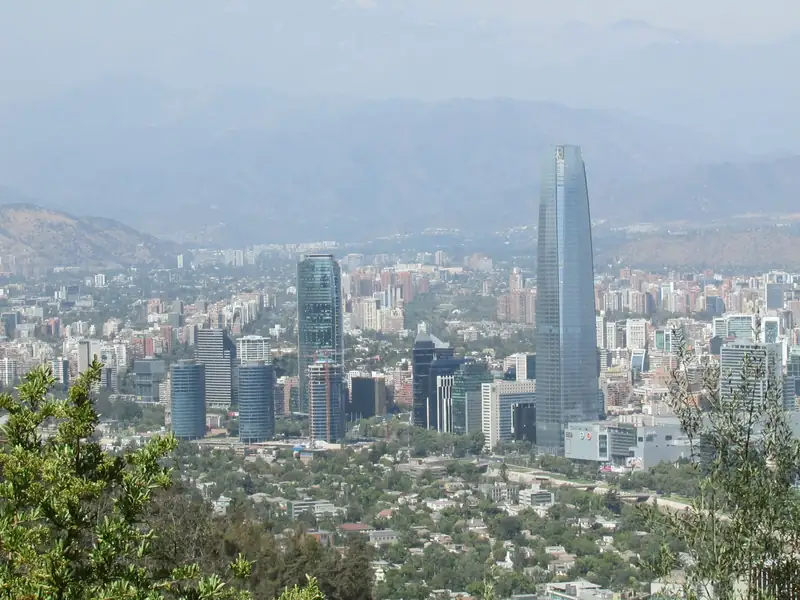
 Investor residence in Peru
Overview
Peru's residence categories are set out in Article 29 of Legislative Decree 1350, the Migration Law, and its regulation (Supreme Decree 007-2017-IN). The investor category (Inversionista) is granted by MIGRACIONES for 365 days, renewable, to a foreign national who invests at least S/ 500,000 in a Peruvian company; the regulation allows MIGRACIONES to adjust the amount by Superintendency resolution. MIGRACIONES has rejected applications where the documented capital fell short, and the regulation makes clear that the investment cannot be evidenced simply by acquiring existing shares, and that the investor may act only as manager or director of the company. In practice the file includes the company's incorporation deed, its tax registration (RUC), traceable bank transfers into the company and a business plan. Legislative Decree 1687 of October 2024 moved certain visa and sanctioning powers to the Ministry of Foreign Affairs, but investor and rentista residence remain with MIGRACIONES.
The rentista category suits clients with stable passive income rather than an operating business. It is granted with an indefinite period of stay to holders of a lifetime pension or permanent income of at least US$1,000 a month, such as a retirement pension, annuity, royalties or dividends. Rentistas may not take paid work in Peru. Neither category sets a minimum number of days in the country, but a resident who is absent for more than 183 days, consecutive or cumulative, in a 12-month period can lose their migration status unless an exception applies. After three years of legal residence, a resident may apply for permanent residence (Permanente), which has an indefinite period of stay.
Tax residence follows a separate rule. An individual becomes domiciled in Peru for income tax after more than 183 days of presence in any 12-month period, with domiciled status generally taking effect from 1 January of the following year. Domiciled individuals are taxed on worldwide income, while non-domiciled individuals pay 30% on Peruvian-source income only. Peru has no special flat-tax or non-domicile regime for new residents, so investors who keep significant income abroad should plan the timing of their move and review any tax treaty with their current country.
Spouses and children are generally brought in through Peru's family-member residence category linked to the principal resident, each with their own carné de extranjería. Citizenship is a matter of ordinary naturalisation. The new Nationality Law, Law 32421, promulgated on 14 August 2025 and published on 15 August 2025, will require five continuous years of residence immediately before the application, annual lawful income of at least 10 tax units (UIT) taxed in Peru, Spanish or another official language, and examinations on history, geography, the Constitution and civics; naturalisation is granted by the President on MIGRACIONES' favourable opinion. The law takes effect the day after its implementing regulation is published in El Peruano, which had not happened as of October 2026, and only then repeals the former Law 26574, which required two consecutive years of residence; applications filed earlier remain under the rules in force when they were lodged. Peru recognises dual nationality, so retention of the original nationality depends on the investor's home country.
Key benefits
- Business-linked residence for a moderate investment of S/ 500,000
- Rentista route with indefinite stay for those with US$1,000 a month of lifetime income
- No fixed annual presence requirement, provided absences stay below 183 days in 12 months
- Permanent residence after three years of legal residence
- Family members can reside through the family-member category
- Access to one of Latin America's larger and more stable economies, with Pacific trade links
- Peru recognises dual nationality
Requirements
- Investment of at least S/ 500,000 in a Peruvian company, made through traceable bank transfers
- Company incorporated in Peru and registered with the tax authority (RUC active)
- Investment made as fresh capital: transfer of existing shares does not qualify
- Investor's role in the company limited to manager or director
- Business plan describing the activity and its prospects
- Valid passport and lawful entry or visa status in Peru
- Criminal record certificate from the country of origin or prior residence, apostilled or legalised and translated
- For rentista applicants: proof of a lifetime pension or permanent income of at least US$1,000 a month
- Payment of the MIGRACIONES procedure fee
Investment options
Investor residence (RBI)
S/ 500,000
Main route: investment in a Peruvian company, granted by MIGRACIONES for 365 days and renewable while the investment and company remain active.
Rentista residence (RBI, income-based)
US$1,000 a month
Indefinite stay for holders of a lifetime pension or permanent income. Paid work in Peru is not permitted.
Permanent residence (Permanente)
Available after three years of legal residence in Peru, with an indefinite period of stay. Not an investment route in itself.
Naturalisation (ordinary nationality law)
Currently two years' continuous legal residence under Law 26574; once Law 32421's regulation is published, five continuous years of residence, income of 10 UIT a year, language and civics tests. This is not citizenship by investment.
Step-by-step process
- 1
Structuring review
We assess whether the investor or rentista route fits, review source of funds and model Peruvian tax domicile. One to two weeks.
- 2
Incorporate the company
Incorporate the Peruvian company, appoint the legal representative and obtain the RUC. Typically two to four weeks.
- 3
Fund the investment
Transfer at least S/ 500,000 through the banking system into the company's capital, keeping full documentation of each transfer.
- 4
Prepare the file
Gather apostilled criminal records, passport copies, corporate documents, proof of investment and the business plan, with Spanish translations.
- 5
Apply to MIGRACIONES
File the change of migration status or residence application and pay the procedure fee. Review commonly takes two to four months.
- 6
Obtain the carné de extranjería
On approval, register biometrics and collect the foreigner's identity card, then file dependants' applications.
- 7
Renew and plan for permanence
Renew the investor residence every 365 days while the investment is maintained, and apply for permanent residence after three years.
Typical documents
- Valid passport and evidence of current migration status in Peru
- Apostilled or legalised criminal record certificate with Spanish translation
- Public deed of incorporation of the Peruvian company and powers of the legal representative
- Active RUC tax registration of the company
- Bank transfer records and capital contribution evidence totalling at least S/ 500,000
- Business plan for the company
- For rentistas: apostilled pension or income certificate showing at least US$1,000 a month
- Marriage and birth certificates for family members, apostilled and translated
- Proof of payment of the MIGRACIONES fee
The Legal Wealth role

Legal Wealth works with families to determine between Peru's investor and rentista routes in light of their wider objectives. We review the origin of funds and the corporate structure, coordinate with Peruvian lawyers, notaries and banks on incorporation and capital contribution, and prepare a coherent file for MIGRACIONES. We also model the 183-day tax domicile rule and the new nationality requirements so that residence, tax and long-term citizenship plans fit together. Every mandate is handled discreetly and built around the client. Write to info@legalwealth.com to start a confidential conversation.
Arrange a private conversationFrequently asked questions
What role may property play within Peru's investor residence category?
The Inversionista category under Article 29 of Legislative Decree 1350 is framed as an investment of at least S/ 500,000 in a Peruvian company, contributed as fresh capital through traceable bank transfers and supported by an active RUC and a business plan. A property held through an operating company may be considered, but a personal home purchase alone should not be assumed to qualify. MIGRACIONES has rejected files where documented capital fell short, so any real estate element belongs within a genuine corporate investment.
Can I buy shares in an existing company?
No. MIGRACIONES does not accept an investment evidenced merely by a transfer of existing shares; the capital must be contributed by the investor.
What is the validity and renewal cycle of investor residence, and when does permanence become available?
MIGRACIONES grants investor residence for 365 days, renewable while the investment and company remain active. After three years of legal residence, the holder may request permanent residence (Permanente), with an indefinite period of stay. There is no annual minimum presence, but absences above 183 days, consecutive or cumulative, in a 12-month period put status at risk unless an exception applies, a rule best tracked alongside the separate 183-day test for tax domicile.
What income must a rentista demonstrate, and on what terms is the status held?
A lifetime pension or permanent income of at least US$1,000 a month, such as a retirement pension, annuity, royalties or dividends, evidenced by an apostilled pension or income certificate. Unlike the 365-day investor residence, rentista status carries an indefinite period of stay, but rentistas cannot take paid work in Peru. Those living on foreign income should model tax domicile with care: after more than 183 days in 12 months worldwide income comes into scope, and Peru has no special regime for new residents.
When will I become tax resident?
After more than 183 days in Peru within 12 months, generally with effect from 1 January of the following year. Domiciled individuals are taxed on worldwide income.
What residence and qualifying conditions govern naturalisation under Law 32421?
Law 32421, promulgated on 14 August 2025 and published on 15 August 2025, will require five continuous years of residence immediately before application, annual lawful income of at least 10 UIT taxed in Peru, Spanish or another official language, and examinations on history, geography, the Constitution and civics; naturalisation is granted by the President on MIGRACIONES' favourable opinion. The law enters into force only the day after its regulation is published, which had not happened as of October 2026; until then the two-year rule of Law 26574 applies, and applications lodged earlier remain under the rules in force when filed. Peru recognises dual nationality, so retention depends on the home country.
Last reviewed: 2026-10. Requirements, fees and timelines change. Information is general, reviewed on the date shown, and is not legal or tax advice.
Sources
- MIGRACIONES – Resolución de Superintendencia 277-2018 (investor category, S/ 500,000)
- Legislative Decree 1687 amending Legislative Decree 1350 (Art. 29 text)
- El Peruano – Ley N.º 32421, Ley de Nacionalidad
- Gestión – Gobierno promulgó ley para obtener ciudadanía peruana
- Lima Easy – Peruvian retirement (rentista) visa
- TramitesPeru – Nacionalidad peruana (updated 22 September 2026)